What a Complete Renovation Budget Should Contain
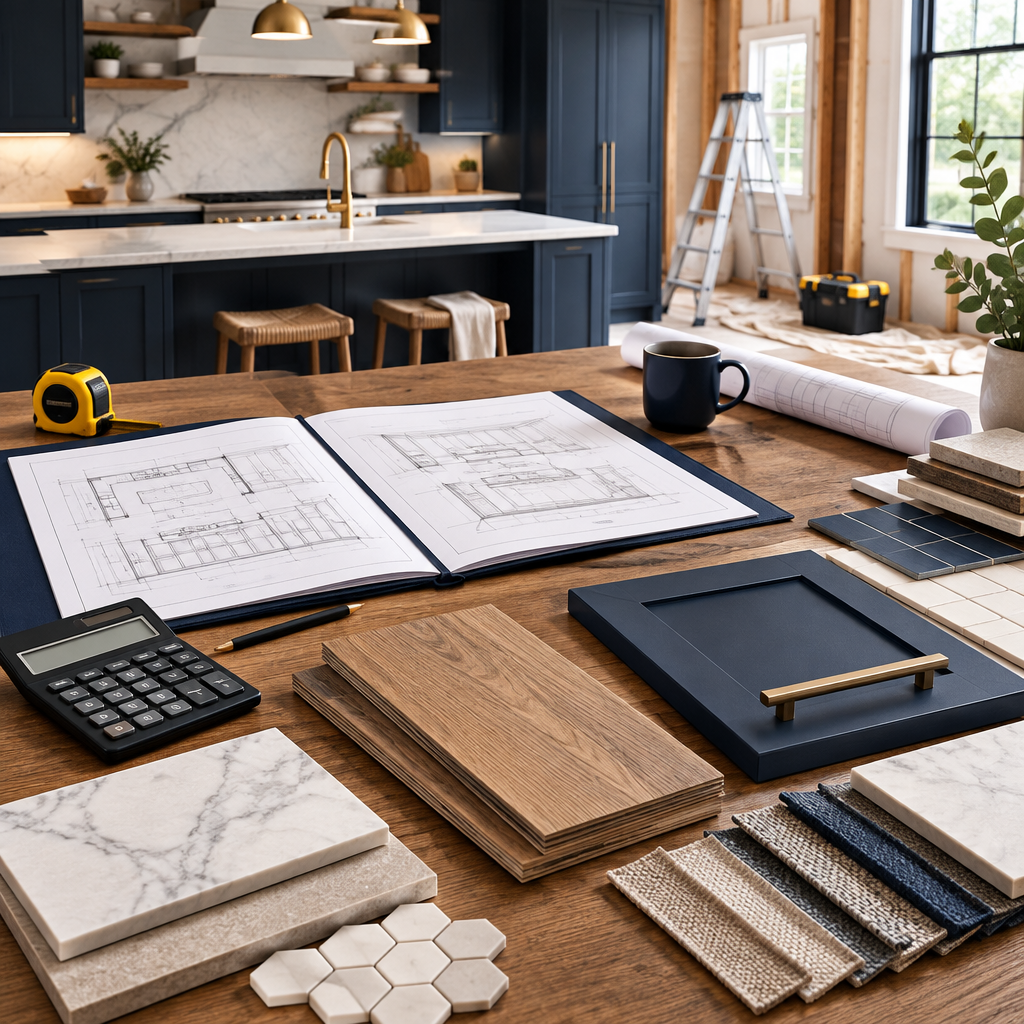
A contractor’s construction price is only one part of the cash an owner may need from first survey to final furniture move. A minor unanswered question can become an expensive site problem. With home renovation budget in the GTA, those questions often concern access, existing damage, product compatibility, or work by another trade. Answering them early protects the timeline and the finished result.
Separate soft costs and construction
Include survey, design, engineering, testing, permits, building fees, insurance, financing, utility work, and professional advice alongside trade labour and materials.
Make selections and allowances visible
Cabinets, tile, plumbing, lighting, appliances, flooring, hardware, and specialty finishes should have realistic supply and installation assumptions.
Include project-life costs
Temporary kitchen, storage, parking, pet care, moving, cleaning, security, and alternate accommodation can be material on a long project.
Protect contingency from upgrades
Investigation reduces unknowns, but older homes can still reveal rot, wiring, drains, structure, or hazardous materials. Keep contingency separate from the wish list.
Planning for GTA conditions
GTA labour, access, parking, disposal, condo rules, and municipal fees can vary by property. Use current site-based quotations rather than province-wide averages. Within the GTA, the same written scope may act differently from one property to the next. Temperature swings, wind pressure, and humid summers, older construction and narrow access routes, and municipal review requirements can all affect the plan. Approach home renovation budget in the GTA as a decision tied to the property, and verify permit and bylaw questions with the municipality serving the address.
Questions to settle before pricing
For home renovation budget in the GTA, the written scope should follow the same path as the work: investigate, prepare, install, inspect, protect, and hand over. Each stage needs a responsible person and a clear decision point. Include site access, occupied areas, weather limits, service interruptions, and communication rules where they apply. Those operational details are often what separate a
smooth GTA project from one that looks reasonable on paper but struggles once the crew arrives.
Practical planning checklist
- List design, permit, and consultant costs.
- Show supply and installation allowances separately.
- Budget temporary living and storage.
- Hold contingency outside optional upgrades.
The takeaway
Well-managed work has a simple logic: the condition is documented, the method fits it, and the finished result has a clear acceptance standard. A complete budget explains where the money goes before the owner commits it. Speak with MLB Renovations for a detailed GTA consultation.