Tie a Home Addition into the Existing Roof and Drainage
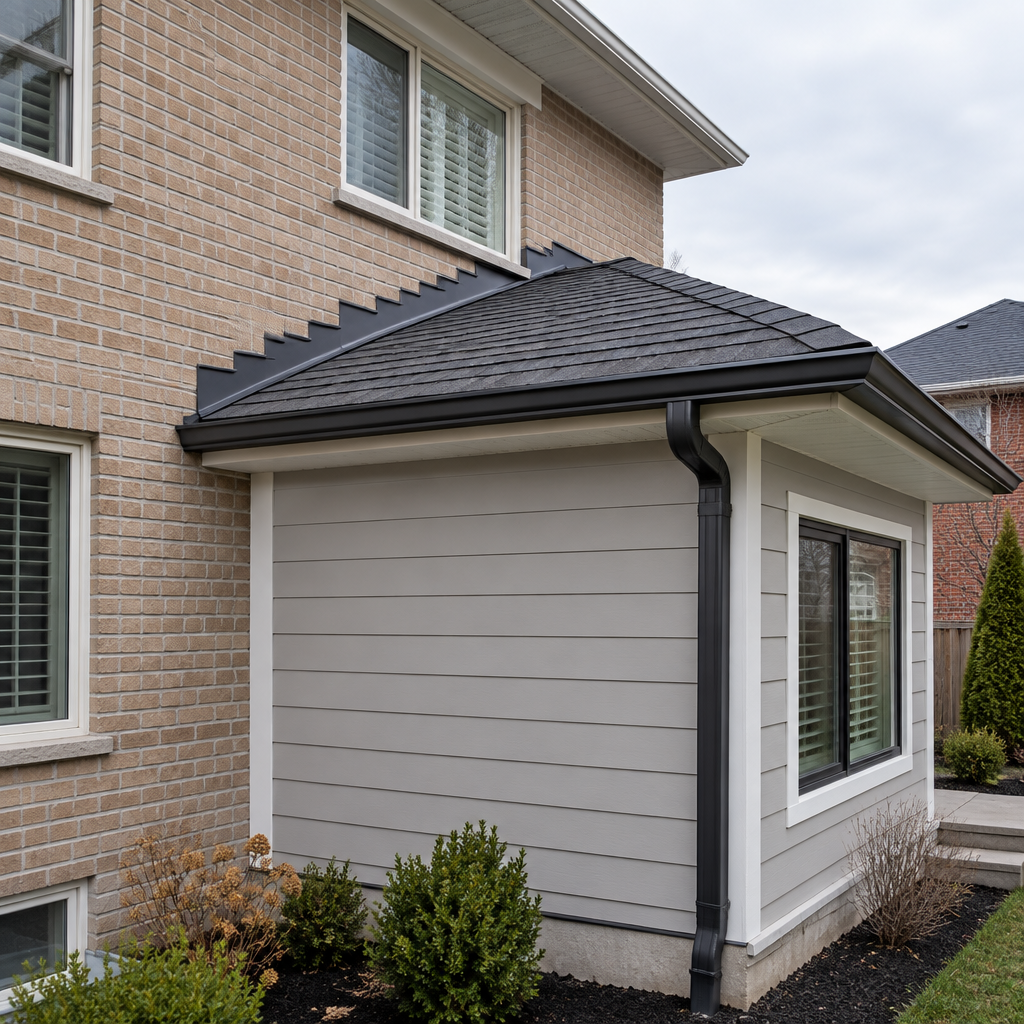
The connection between old and new construction often carries more risk than the open field of the addition roof. A homeowner may start asking about home addition roof tie in in the GTA once a decision or site condition needs attention. Published advice can define the basic question, but the property itself still determines the answer. A site-based review can separate required work from optional upgrades and set a more reliable scope.
Survey the existing roof accurately
Record slopes, framing, deck, roofing age, ventilation, chimneys, walls, drainage, and past leaks. Existing drawings may not reflect later repairs.
Resolve geometry before structural design finishes
Valleys, low slopes, roof-wall intersections, dormers, and snow pockets should be minimized. A small plan shift can create a much cleaner water path.
Connect enclosure layers
Air, insulation, vapour, waterproofing, underlayment, flashing, and ventilation need continuity across the old-new line.
Recalculate drainage and maintenance
New roof area can overload troughs or discharge onto a lower roof, doorway, or neighbour-facing side. Preserve safe access to clean and repair the finished details.
Planning for GTA conditions
GTA freeze-thaw cycles, snow, and intense rain expose weak tie-ins. Municipal permits and property drainage requirements should guide the approved design. GTA site conditions can change how one scope performs from one property to the next. Temperature swings, wind pressure, and humid summers, older construction and narrow access routes, and municipal review requirements can all affect the plan. Approach home addition roof tie in in the GTA as a site-specific choice, and check permit or bylaw issues with the municipality serving the address.
What a clear quotation should explain
When pricing home addition roof tie in in the GTA, ask for enough detail to understand the labour that will never be visible in the finished photograph. Preparation, temporary protection, access, testing, drying or curing, inspections, waste, and handover can be essential parts of quality. A contractor should also explain what the owner must supply or decide. If two quotations describe those items differently, normalize the scopes before deciding that one price is lower.
Practical planning checklist
- Measure existing roof and leak history.
- Simplify valleys and low-slope transitions.
- Detail continuous enclosure layers.
- Trace all new water and snow discharge.
The takeaway
The aim is not to purchase the largest scope. The priority is a right-sized scope for home addition roof tie in in the GTA, with enough detail to understand the price and judge the result. A successful addition joins old and new as one enclosure and drainage system. For a GTA review based on the property, contact MLB Renovations through https://mlbrenovations.com/.