Testing for Hazardous Materials Before Demolition
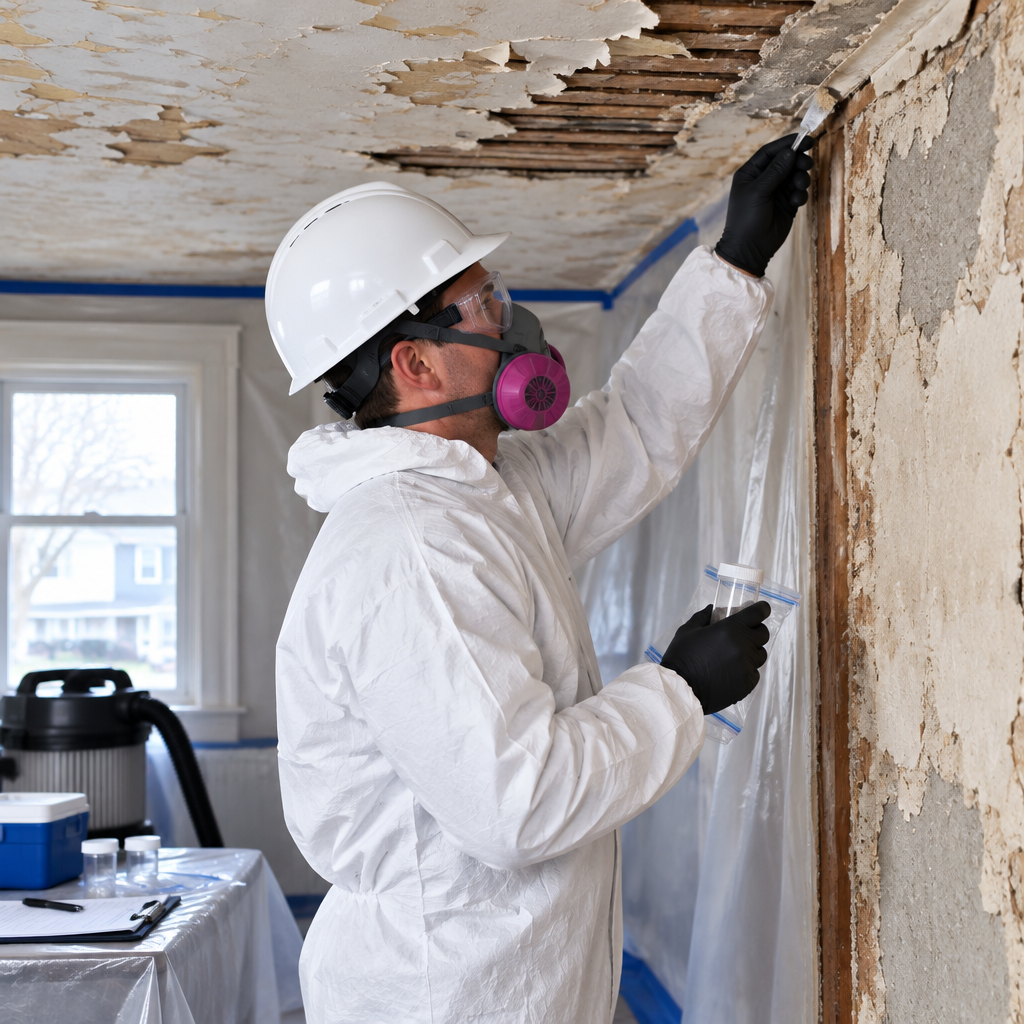
Demolition can disturb materials that were stable in place and release dust into the home if risk is not assessed first. No single specification fits hazardous material testing renovation in the GTA. The final approach should account for the building, the planned use, and connected finishes, and the homeowner’s time horizon. A short discovery stage is therefore worthwhile before selecting finishes or approving a price.
Use age and scope to build a survey
Flooring, mastics, plaster, texture, insulation, pipe wrap, ceiling tiles, siding, roofing, coatings, and other materials may deserve qualified review depending on building history and work.
Sample through qualified procedures
Visual appearance cannot confirm every hazard. Use competent assessors, controlled sampling, accredited analysis where required, and clear location records.
Separate abatement from general demolition
The report should define materials, quantities, condition, methods, containment, disposal, and clearance requirements. Price and schedule this before the general crew starts.
Keep the record
Retain survey, lab results, scope, contractor documents, disposal records, and clearance evidence. Future owners and trades benefit from knowing what remains.
Planning for GTA conditions
GTA properties span more than a century of construction. Applicable occupational, environmental, and municipal requirements should be confirmed for the exact project. GTA site conditions can change how one scope performs from one property to the next. Winter thaws, exposed elevations, and summer moisture, older buildings and tight urban access, and municipal review requirements can each influence the scope. Handle hazardous material testing renovation in the GTA as a property-based judgement, and check permit or bylaw issues with the municipality serving the address.
Turn the advice into a project scope
A final decision on hazardous material testing renovation in the GTA should use more than a product brochure or online average. Review the site’s age, exposure, construction, access, existing defects, and planned use. Confirm which municipal, building, utility, or property-management requirements apply to the address. Then document the selected method and its limits. This keeps local facts in control and prevents a general recommendation from being presented as a guarantee for one property.
Practical planning checklist
- Review building age and all disturbed materials.
- Use qualified assessment and sampling.
- Complete required abatement before general demolition.
- Retain reports and clearance records.
The takeaway
Resolve the cause, scope, and finish standard before booking the crew. A short pre-demolition investigation protects people, schedule, and the rest of the house. MLB Renovations serves GTA property owners and can prepare a site-based recommendation for the next step.